Best Japanese Matcha for Latte
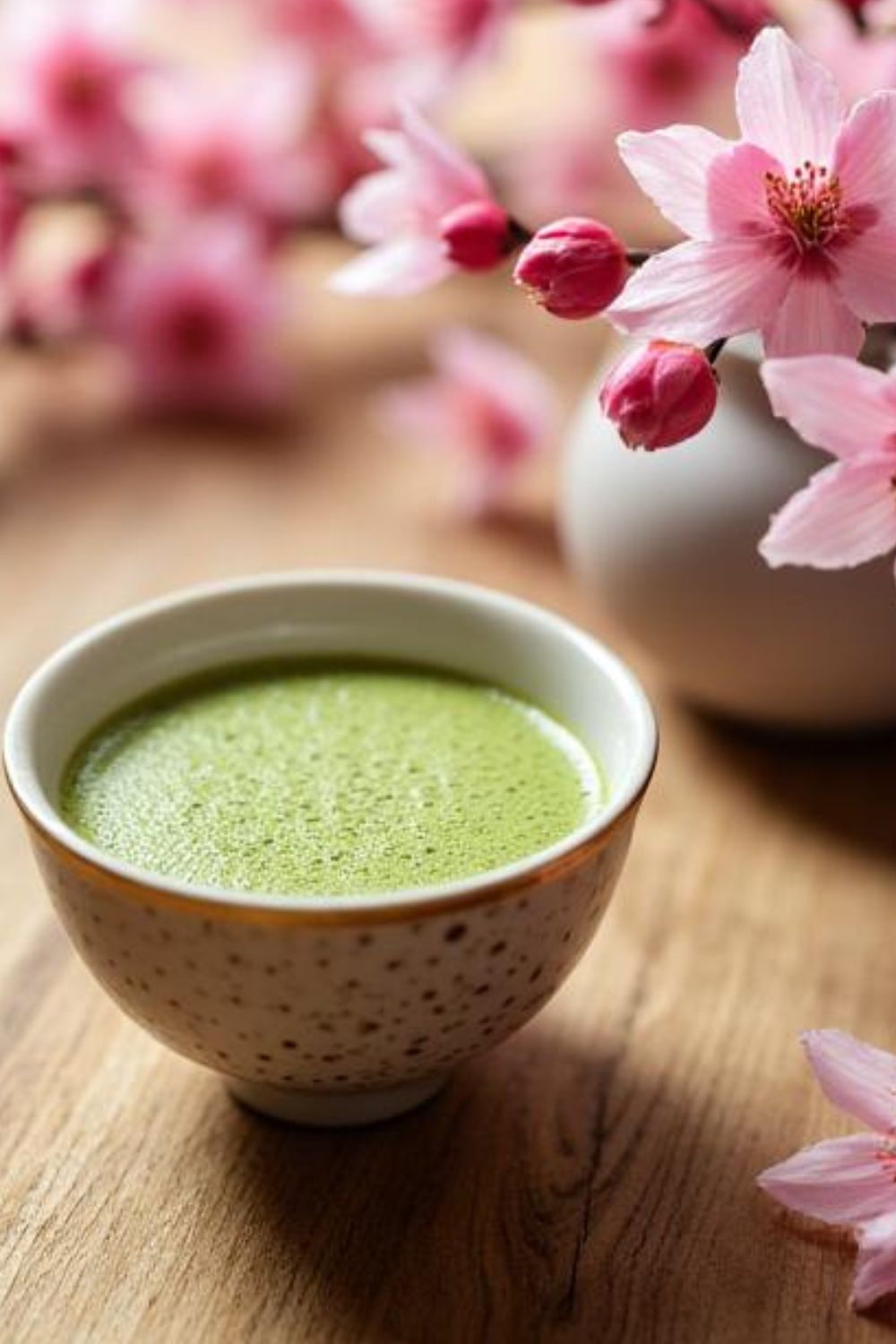
A good matcha latte starts with one ingredient—the matcha itself. While there are hundreds of matcha powders available online, not all of them come from Japan, and not all of them deliver the rich, smooth flavor that makes an exceptional latte. Some powders taste overly bitter, while others lose their flavor once mixed with milk.
If you’re specifically looking for authentic Japanese matcha, choosing the right product becomes even more important.
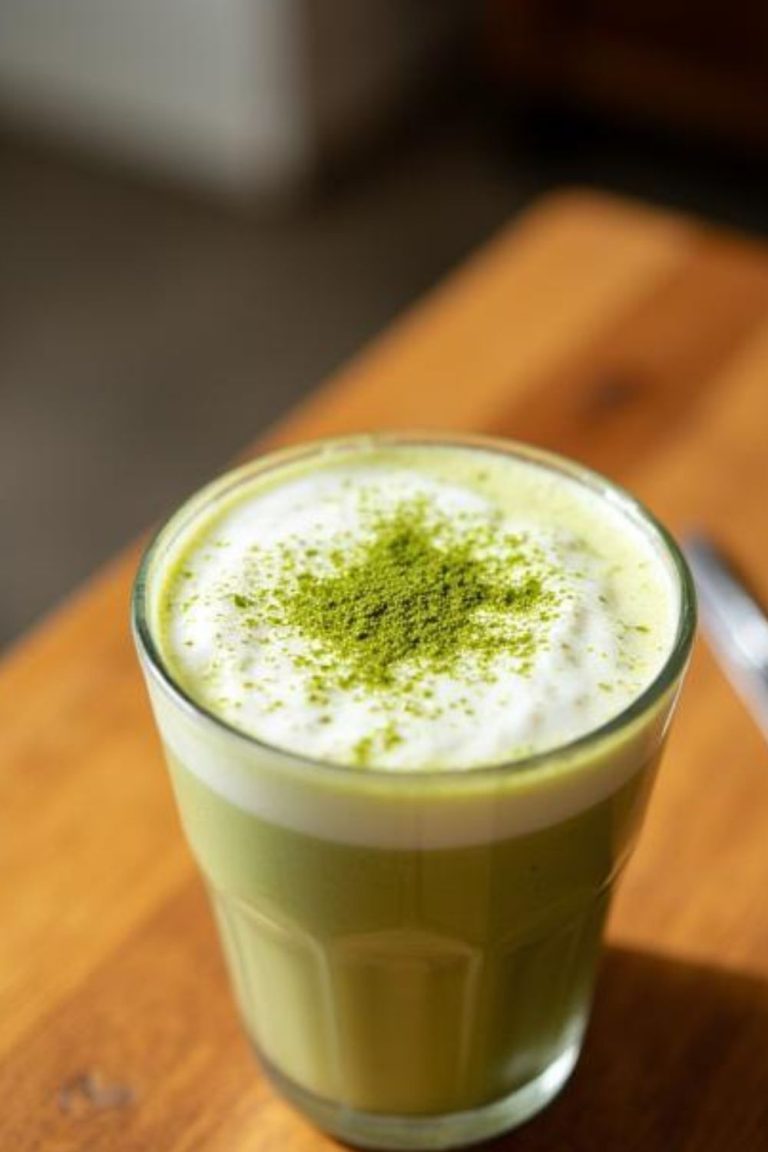
Japanese matcha is famous for its vibrant green color, naturally sweet aroma, smooth umami flavor, and centuries-old tea-growing tradition. Whether you’re making a hot latte on a cold morning or an iced matcha latte during summer, high-quality Japanese matcha can completely transform the experience.
After researching dozens of popular products, comparing ingredient quality, origin, taste, customer reviews, and overall value, we’ve selected the best Japanese matcha powders for latte lovers.
Quick Picks
| Category | Product |
|---|---|
| ⭐ Best Overall | Naoki Matcha Superior Ceremonial Blend |
| Best Premium | Ippodo Sayaka |
| Best Organic | Encha Ceremonial Organic Matcha |
| Best Budget | Jade Leaf Organic Culinary Matcha |
| Best Instant Latte | Jade Leaf Café Style Matcha Latte Mix |
| Best Traditional | Marukyu Koyamaen |
If you’re looking for the perfect balance between authentic Japanese quality, smooth flavor, and everyday usability, Naoki Matcha Superior Ceremonial Blend is our top recommendation.
Why Trust Our Recommendations?
We didn’t simply choose the most expensive matcha. Instead, we evaluated every product using the factors that actually matter for latte drinkers.
Our evaluation considered:
- Country of origin
- Tea-growing region
- Flavor profile
- Mixability
- Color
- Freshness
- Ingredient quality
- Customer satisfaction
- Overall value
- Latte performance
The result is a list focused on products that consistently create delicious homemade matcha lattes.
Why Japanese Matcha Is Better for Lattes
Japan has produced matcha for hundreds of years, and its tea-growing regions have developed techniques that are difficult to replicate elsewhere.
Before harvesting, tea plants are shaded for several weeks. This process increases chlorophyll production while encouraging the development of amino acids like L-theanine.
The result is matcha with:
- Rich green color
- Smooth texture
- Less bitterness
- Natural sweetness
- Deep umami flavor
When blended with milk, these characteristics create a balanced latte that tastes clean, creamy, and refreshing.
Many lower-quality powders become overly bitter or dull after adding milk, while authentic Japanese matcha maintains its flavor.
What Makes the Best Japanese Matcha for Latte?
Not every Japanese matcha is designed for milk drinks. Here are the qualities we looked for when selecting our recommendations.
1. Authentic Japanese Origin
The best products clearly state where the tea is grown.
Popular regions include:
- Uji (Kyoto)
- Nishio
- Kagoshima
- Shizuoka
These regions are internationally recognized for producing premium matcha.
2. Bright Green Color
Fresh Japanese matcha should have a vibrant emerald appearance.
Bright green powder usually indicates careful processing and freshness.
Avoid powders that appear:
- Brown
- Yellow-green
- Olive
- Gray
3. Smooth Flavor
Excellent latte matcha should offer:
- Mild sweetness
- Rich umami
- Fresh grassy notes
- Minimal bitterness
Once milk is added, these flavors create a balanced drink instead of tasting flat.
4. Fine Texture
Premium Japanese matcha is stone-ground into an extremely fine powder.
This helps it:
- Mix smoothly
- Produce better foam
- Reduce clumps
- Create a silky mouthfeel
5. Everyday Value
The best product isn’t always the most expensive. Many matcha lovers enjoy lattes every day, so value matters. We prioritized products that combine excellent quality with reasonable pricing.
Our #1 Pick: Naoki Matcha Superior Ceremonial Blend
If we could recommend only one authentic Japanese matcha for making lattes, it would be Naoki Matcha Superior Ceremonial Blend.
Unlike many generic matcha powders, Naoki focuses entirely on Japanese-grown tea sourced from respected producers. The result is a smooth, vibrant matcha that performs beautifully in both traditional preparation and milk-based drinks.
Although it’s classified as ceremonial grade, it has enough body and richness to remain flavorful even after adding milk, making it an excellent choice for homemade lattes.
Why It’s Our Editor’s Choice
Naoki Matcha delivers an impressive balance between quality and practicality. It has:
- Authentic Japanese sourcing
- Bright emerald color
- Smooth natural sweetness
- Rich umami
- Very low bitterness
- Excellent aroma
Whether you’re making a hot latte or an iced version, the flavor stays noticeable without becoming harsh.
Pros
✔ Authentic Japanese matcha
✔ Vibrant green color
✔ Smooth and creamy flavor
✔ Excellent with dairy or oat milk
✔ Rich umami taste
✔ Beginner friendly
✔ High customer satisfaction
✔ Great for both lattes and traditional matcha
Cons
✘ More expensive than culinary matcha
✘ May be too premium if you only use matcha for baking
Who Should Buy Naoki Matcha?
This matcha is ideal for:
- Daily matcha drinkers
- Coffee lovers switching to matcha
- Home baristas
- Latte enthusiasts
- People wanting authentic Japanese quality
- Beginners looking for premium matcha
If your goal is making café-quality matcha lattes at home without sacrificing authenticity, Naoki is one of the strongest choices available.
Why We Ranked It #1
Many matcha powders perform well in one area but compromise in another.
Some are affordable but bitter.
Others taste amazing but cost a fortune.
Naoki strikes an excellent balance between flavor, freshness, quality, and price.
It offers an authentic Japanese matcha experience while remaining approachable enough for everyday latte preparation.
For most readers searching for the best Japanese matcha for latte, this is the product we’d recommend first.
Is Ceremonial Matcha Good for Lattes?
This is one of the most common questions among first-time buyers. The answer depends on your priorities.
If you enjoy premium flavor and don’t mind spending a little more, ceremonial matcha creates an exceptionally smooth latte with rich umami and minimal bitterness.
However, if you drink matcha every day and go through a lot of powder, a high-quality culinary or café-style Japanese matcha may provide better long-term value.
For many people, the ideal approach is simple:
- Ceremonial Grade: Weekend treats and traditional matcha.
- Culinary or Café Style: Everyday lattes and recipes.
Choosing the right type depends on your budget, drinking habits, and taste preferences.
Top Japanese Matcha Reviews
Finding the best Japanese matcha for latte isn’t just about buying a product labeled “Made in Japan.” Each matcha has a unique flavor profile, sweetness level, and texture, making it better suited for different types of drinkers.
Below are our favorite Japanese matcha powders, along with who they’re best for.
2. Ippodo Tea Sayaka Matcha
Best Premium Japanese Matcha
If you’ve spent any time researching authentic Japanese tea, you’ve probably come across Ippodo Tea. Founded in Kyoto more than 300 years ago, it’s one of Japan’s most respected tea companies and is known for producing exceptional matcha.
The Sayaka blend is a ceremonial-grade matcha that delivers an incredibly refined flavor. While many premium matchas are reserved for drinking with water, Sayaka also performs beautifully in lattes thanks to its naturally sweet profile and rich umami.
What We Like
The first thing you’ll notice is its smoothness. Even when mixed with milk, the matcha retains its character instead of disappearing behind the creaminess.
Its aroma is fresh, slightly floral, and unmistakably high quality. Every sip feels balanced, with very little bitterness.
Pros
- Authentic Kyoto matcha
- Exceptionally smooth
- Naturally sweet
- Rich umami flavor
- Vibrant emerald color
- Excellent for premium lattes
Cons
- Premium price
- Limited availability outside Japan
- Frequently sells out
Best For
- Matcha enthusiasts
- Luxury buyers
- Weekend café-style drinks
- Traditional matcha lovers
3. Encha Organic Ceremonial Matcha
Best Organic Japanese Matcha
If buying organic is important to you, Encha is one of the strongest choices available. Its matcha is grown in Japan using certified organic farming practices, making it popular among health-conscious consumers.
Unlike some organic products that sacrifice flavor, Encha maintains a clean, balanced taste with gentle sweetness and mild vegetal notes.
Flavor
Encha is refreshing rather than intense. Instead of a bold earthy punch, it offers a softer, lighter profile that’s easy to enjoy every day. When mixed with oat milk, the sweetness becomes even more noticeable.
Pros
- Certified organic
- Japanese-grown
- Smooth flavor
- Excellent color
- Beginner friendly
- High-quality packaging
Cons
- Slightly lighter flavor than Naoki
- Premium pricing
Best For
- Organic shoppers
- Daily matcha drinkers
- Smooth, light lattes
- Wellness-focused lifestyles
4. Marukyu Koyamaen Matcha
Best Traditional Japanese Matcha
Few tea companies have the reputation of Marukyu Koyamaen. For generations, this Kyoto-based producer has supplied premium matcha to tea practitioners and enthusiasts across Japan.
Its ceremonial matcha offers remarkable complexity. You’ll notice layers of sweetness, umami, and fresh green tea flavor that continue to develop as you drink.
For lattes, it creates a luxurious experience unlike many commercial blends.
Pros
- Legendary Japanese producer
- Exceptional flavor
- Beautiful color
- Rich aroma
- Outstanding freshness
Cons
- Expensive
- Hard to find
- Often unavailable internationally
Best For
- Serious matcha fans
- Traditional tea preparation
- Premium homemade lattes
5. Jade Leaf Organic Culinary Matcha
Best Budget Japanese Matcha for Lattes
Although Jade Leaf is an American company, its matcha is sourced from Japan, making it a practical choice for buyers who want authentic Japanese-grown tea at a more affordable price.
Unlike ceremonial matcha, this culinary blend is specifically designed for recipes, smoothies, and milk-based drinks.
That stronger flavor works particularly well in lattes because it remains noticeable after adding milk.
Flavor
Bold.
Earthy.
Slightly grassy.
Less delicate than ceremonial matcha but ideal for everyday drinks.
Pros
- Affordable
- Japanese-grown tea
- Strong latte flavor
- Excellent value
- Easy to find online
Cons
- More bitterness than ceremonial matcha
- Not ideal for drinking straight
Best For
- Budget shoppers
- Daily latte drinkers
- Baking
- Smoothies
6. Jade Leaf Café Style Matcha Latte Mix
Best Instant Japanese Matcha Latte Mix
If convenience is your top priority, this product deserves consideration. Instead of buying pure matcha and adding your own sweetener, this blend is already formulated for café-style drinks.
Preparation takes just a minute or two, making it perfect for busy mornings.
Why People Love It
- Pre-sweetened
- Beginner friendly
- Smooth texture
- Consistent flavor
- Great for iced lattes
Keep in Mind
This is a latte mix rather than pure matcha.
If you’re looking for traditional Japanese tea preparation, another product on this list will be a better fit.
Which Japanese Region Produces the Best Matcha?
One reason Japanese matcha is so highly regarded is the diversity of its growing regions.
Each area has its own climate, soil, and cultivation methods, resulting in subtle differences in flavor.
Uji (Kyoto)
Often considered the birthplace of premium matcha.
Known for:
- Rich umami
- Smooth sweetness
- Complex flavor
- Premium ceremonial matcha
Many of Japan’s most prestigious tea houses source from Uji.
Nishio
Nishio produces a large percentage of Japan’s matcha.
Its teas are known for:
- Strong aroma
- Balanced sweetness
- Excellent color
- Reliable quality
Many café-style blends use Nishio-grown matcha.
Kagoshima
Located in southern Japan, Kagoshima has become increasingly respected for producing vibrant organic matcha.
Characteristics include:
- Fresh grassy notes
- Bright green color
- Mild bitterness
- Modern farming techniques
Shizuoka
Best known for green tea production, Shizuoka also produces excellent matcha with:
- Clean flavor
- Light sweetness
- Good everyday value
Organic vs. Conventional Japanese Matcha
Many shoppers wonder whether organic matcha actually tastes better.
The answer isn’t always straightforward.
Organic certification tells you how the tea was grown, not necessarily how it tastes.
Organic Matcha
Pros
- Certified farming standards
- Popular with health-conscious buyers
- Often produced in smaller batches
Cons
- Usually more expensive
Conventional Matcha
Pros
- Wider selection
- Often lower cost
- Includes many famous Japanese tea houses
Cons
- Farming practices vary by producer
For most latte drinkers, freshness, quality, and flavor have a bigger impact than whether the matcha is organic.
Which Milk Works Best?
The milk you choose can dramatically change the flavor of your latte.
Whole Milk
Creates the richest texture and enhances matcha’s natural sweetness.
Best for:
Traditional café-style drinks.
Oat Milk
The favorite among many matcha enthusiasts.
Its creamy consistency and subtle sweetness pair beautifully with Japanese matcha.
Best for:
Iced lattes.
Almond Milk
Lighter with a mild nutty finish.
Best for:
Lower-calorie drinks.
Soy Milk
Rich, creamy, and naturally higher in protein.
Best for:
Breakfast lattes.
Coconut Milk
Creates a sweeter, tropical-style latte.
Best for:
Dessert-inspired recipes.
Comparison Table
| Product | Origin | Grade | Best For | Overall |
|---|---|---|---|---|
| Naoki Superior | Uji, Japan | Ceremonial | Best Overall | ⭐⭐⭐⭐⭐ |
| Ippodo Sayaka | Kyoto, Japan | Ceremonial | Premium | ⭐⭐⭐⭐⭐ |
| Encha Organic | Japan | Ceremonial | Organic | ⭐⭐⭐⭐☆ |
| Marukyu Koyamaen | Kyoto, Japan | Ceremonial | Traditional | ⭐⭐⭐⭐⭐ |
| Jade Leaf Culinary | Japanese-grown | Culinary | Budget | ⭐⭐⭐⭐☆ |
| Jade Leaf Latte Mix | Japanese-grown | Café Style | Convenience | ⭐⭐⭐⭐☆ |
Which One Should You Buy?
Here’s a quick recommendation based on your needs:
- Best Overall: Naoki Matcha Superior Ceremonial Blend
- Best Premium: Ippodo Tea Sayaka
- Best Organic: Encha Organic Ceremonial Matcha
- Best Traditional: Marukyu Koyamaen
- Best Budget: Jade Leaf Organic Culinary Matcha
- Best Instant Latte: Jade Leaf Café Style Matcha Latte Mix
Each of these products offers something different, whether you prioritize authentic Japanese craftsmanship, organic ingredients, affordability, or convenience.
Buying Guide: How to Choose the Best Japanese Matcha for Latte
Choosing the right Japanese matcha can feel overwhelming, especially with so many products claiming to be “ceremonial,” “premium,” or “authentic.” While these labels can be helpful, they don’t always tell the full story.
If your goal is making rich, smooth, café-quality matcha lattes at home, here are the most important things to consider before buying.
1. Verify the Country of Origin
The first thing to check is where the matcha is grown, not just where it’s packaged.
Authentic Japanese matcha should clearly state that it is sourced from Japan. Reputable brands often mention the specific growing region, which is a good sign of transparency and quality.
Some of Japan’s most respected matcha-producing regions include:
- Uji (Kyoto)
- Nishio (Aichi)
- Kagoshima
- Shizuoka
If the origin isn’t clearly listed, consider looking for a product that provides more detailed sourcing information.
2. Choose the Right Grade
Matcha generally falls into three categories.
Ceremonial Grade
Best for:
- Traditional matcha
- Premium lattes
- Drinking with water
Pros:
- Smoothest flavor
- Minimal bitterness
- Rich umami
- Bright green color
Culinary Grade
Best for:
- Matcha lattes
- Smoothies
- Baking
- Desserts
Pros:
- Stronger flavor
- More affordable
- Excellent with milk
Café Style Matcha Mix
Best for:
- Quick preparation
- Busy mornings
- Sweetened lattes
Pros:
- Beginner-friendly
- No extra sweetener needed
- Mixes easily
3. Look at the Color
One of the easiest indicators of freshness is color.
High-quality Japanese matcha should be:
- Vibrant green
- Bright
- Fresh-looking
Avoid powders that appear:
- Brown
- Olive green
- Yellow-green
- Dull
A brighter color usually indicates fresher leaves and careful processing.
4. Read the Ingredients
For pure matcha, the ingredient list should be simple.
If you’re buying a latte mix, additional ingredients such as sweeteners are expected.
Choose products with transparent ingredient lists and avoid unnecessary artificial additives whenever possible.
5. Consider Your Daily Routine
Ask yourself:
- Will you drink matcha every day?
- Do you want quick preparation?
- Do you enjoy traditional tea-making?
- Do you usually make hot or iced lattes?
Your answers can help determine whether a ceremonial-grade powder or a convenient café-style blend is the better fit.
Common Mistakes to Avoid
Many people buy the wrong matcha simply because of marketing claims. Here are a few common mistakes to watch out for.
Buying the Most Expensive Option
A higher price doesn’t always mean a better latte. Many premium ceremonial matchas are designed for traditional tea preparation, not milk-based drinks.
Ignoring Freshness
Even excellent matcha loses flavor and color over time.
Check packaging dates when possible, and buy quantities you can use within a reasonable period.
Using Boiling Water
Very hot water can make matcha taste bitter.
For the best flavor, use hot water that has cooled slightly after boiling.
Skipping Proper Mixing
Adding powder directly to cold milk often results in clumps.
For a smoother drink, dissolve the matcha in a small amount of warm water first before adding milk.
How to Store Japanese Matcha
Matcha is sensitive to light, heat, air, and moisture.
To keep it fresh:
- Seal the container tightly after each use.
- Store it in a cool, dry place.
- Keep it away from direct sunlight.
- Avoid humid environments.
- Use a clean, dry spoon every time.
Proper storage helps preserve the matcha’s vibrant color and fresh flavor.
How to Make a Perfect Japanese Matcha Latte
Making a delicious matcha latte at home is easier than you might think.
Ingredients
- 1–2 teaspoons Japanese matcha or matcha latte mix
- 2 ounces hot (not boiling) water
- 8 ounces milk of your choice
- Sweetener (optional)
- Ice (for iced lattes)
Hot Matcha Latte
- Place the matcha powder in a cup.
- Add the hot water.
- Whisk or stir until smooth and frothy.
- Heat and froth your milk.
- Pour the milk over the matcha.
- Stir gently and enjoy.
Iced Matcha Latte
- Mix the matcha with hot water until smooth.
- Fill a glass with ice.
- Add cold milk.
- Pour the prepared matcha over the milk.
- Stir well before serving.
Frequently Asked Questions
What is the best Japanese matcha for latte?
Our top recommendation is Naoki Matcha Superior Ceremonial Blend because it offers authentic Japanese sourcing, vibrant color, smooth flavor, and excellent performance in both hot and iced lattes.
Is Japanese matcha better than regular matcha?
Japanese matcha is widely regarded as the benchmark for quality due to its long history of cultivation, traditional processing methods, and distinctive flavor profile.
Can ceremonial matcha be used in lattes?
Yes. Ceremonial matcha creates an exceptionally smooth latte, although some people prefer culinary-grade matcha for everyday use because it’s more affordable and has a stronger flavor that stands up well to milk.
Is culinary matcha lower quality?
Not necessarily.
Culinary matcha is simply produced with a different purpose in mind. It’s designed for recipes, baking, smoothies, and milk-based drinks.
Which Japanese region produces the best matcha?
Many tea enthusiasts consider Uji, Kyoto to produce some of Japan’s finest matcha. However, regions like Nishio and Kagoshima also produce exceptional teas.
Can I drink Japanese matcha every day?
For most healthy adults, enjoying matcha in moderation can be part of a balanced lifestyle. If you have concerns about caffeine or specific health conditions, consult your healthcare provider.
Which milk is best for matcha?
Popular options include:
- Oat milk
- Whole milk
- Soy milk
- Almond milk
Oat milk is a favorite because of its creamy texture and naturally sweet flavor.
Why is my matcha bitter?
Bitterness can result from:
- Low-quality matcha
- Water that’s too hot
- Using too much powder
- Improper preparation
Choosing high-quality Japanese matcha and following the recommended brewing method can help produce a smoother taste.
Can I use Japanese matcha for baking?
Yes. Culinary-grade Japanese matcha is an excellent choice for baking, smoothies, pancakes, cookies, and desserts.
How long does matcha stay fresh?
For the best flavor and color, use matcha within the timeframe recommended by the manufacturer after opening, and store it properly.
Is organic Japanese matcha worth it?
If organic farming practices are important to you, certified organic Japanese matcha can be an excellent option. Many organic products also offer outstanding flavor and quality.
Does matcha contain caffeine?
Yes. Because matcha is made from whole powdered tea leaves, it naturally contains caffeine. Many people find its energy boost to be smoother and longer-lasting than coffee.
Final Verdict
The search for the best Japanese matcha for latte ultimately comes down to finding a product that matches your taste, budget, and daily routine.
If you’re looking for an authentic Japanese matcha that delivers excellent flavor, vibrant color, and a smooth, creamy latte experience, Naoki Matcha Superior Ceremonial Blend is our top recommendation. It offers the quality expected from Japanese-grown matcha while remaining versatile enough for both traditional preparation and milk-based drinks.
For shoppers who prioritize organic ingredients, Encha Organic Ceremonial Matcha is a fantastic choice. Those seeking a premium tea experience may appreciate the refined flavor of Ippodo Sayaka or Marukyu Koyamaen, while budget-conscious buyers can enjoy reliable everyday lattes with Jade Leaf Organic Culinary Matcha.
No matter which product you choose, using authentic Japanese matcha, fresh ingredients, and proper preparation techniques will help you create delicious café-style lattes at home.
Our Top Recommendations
🥇 Best Overall: Naoki Matcha Superior Ceremonial Blend
🥈 Best Premium: Ippodo Tea Sayaka
🥉 Best Organic: Encha Organic Ceremonial Matcha
🏅 Best Traditional: Marukyu Koyamaen
💰 Best Budget: Jade Leaf Organic Culinary Matcha
⚡ Best Instant Latte: Jade Leaf Café Style Matcha Latte Mix
Ready to Find Your Perfect Japanese Matcha?
Whether you’re making your first homemade matcha latte or upgrading from a basic powder, investing in high-quality Japanese matcha can make a noticeable difference in flavor, texture, and overall enjoyment.
Take a moment to compare the products above, consider your preferences, and choose the one that best fits your routine. With the right matcha, you can enjoy smooth, vibrant, café-quality lattes from the comfort of your own kitchen.